
Using PanPastel Artist Pastels on Acrylic Grounds
PanPastel has been with us for over a year and it’s high time that we explore the many possibilities of the pastels over acrylics. PanPastel offers some unique application and mark making options, that can’t be achieved with our wet acrylic color and non-color products. That being said, GOLDEN products like Gels, Pastes and Grounds can provide a unique opportunity when using PanPastel.
What we wanted to know was, how well PanPastel could be layered over these surfaces and later be erased again? Which of these grounds lend themselves to details and which allow ‘only’ for rough mark making?
How We Tested
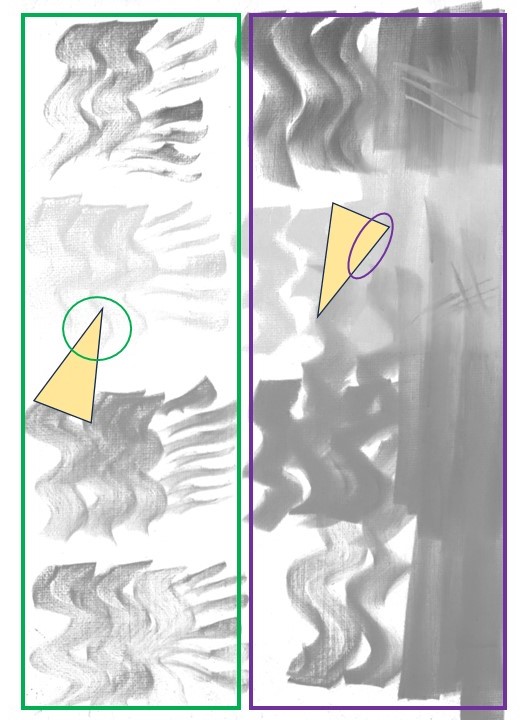
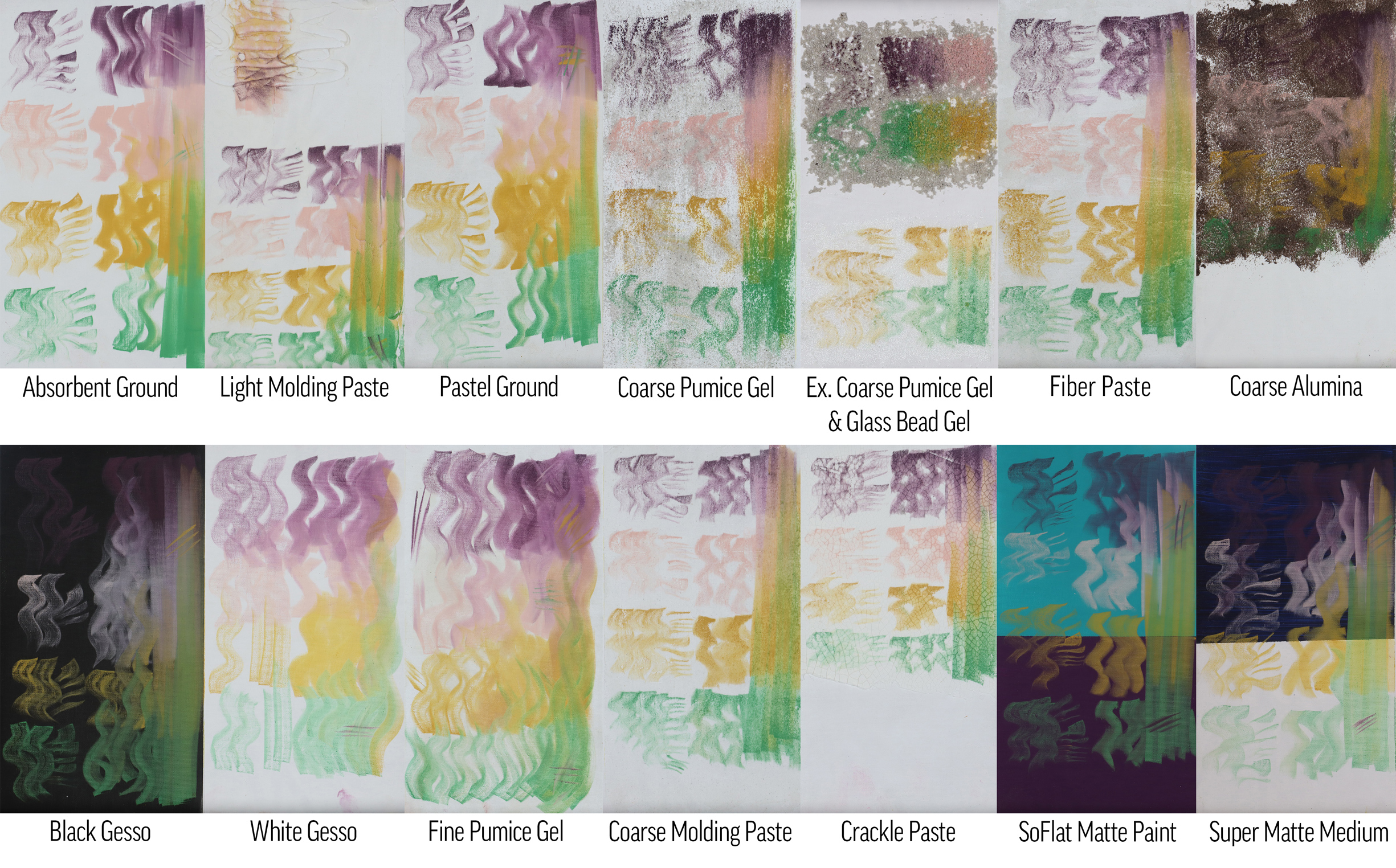
All 18 acrylic products were applied over primed canvas boards in a single layer and left to dry for three days. PanPastel colors were applied with the Sofft Tool wedge– first with the tip of the wedge for lighter applications, as this showed how receptive the acrylic ground is upon a light touch and how well fine lines are visible. The thick end of the wedge was used for heavier PanPastel applications and multiple layers. The majority of tests were carried out without the use of a fixative.
Results
We found that almost all acrylic grounds scored high in at least one of our four testing parameters: receptivity, layering, details and erasing. Thus, depending on how one uses PanPastel, different acrylic grounds might serve the purpose best. In our test evaluations, we focused on the experience of the pastel artist, which starts with the first touch of the color-loaded Sofft Tool on the ground.
1. Receptivity
All grounds that accept PanPastel well are either gritty or very absorbent. Particularly, Absorbent Ground receives PanPastel so well, that intense colors can be achieved with the lightest of applications. Light Molding Paste is similarly absorbent, but slightly grainier compared to the velvety surface of Absorbent Ground. Still, Light Molding Paste allows for intense colors from the start. Other products that scored high in this respect are the gritty, toothy ones: Pastel Ground, Coarse and Extra Coarse Pumice Gel, Fiber Paste and Coarse Alumina. Especially when using the thicker side of the Sofft Tool wedge, intense colors on the first touch are possible, because one can use a little more pressure during the PanPastel application. In order to create really dense, solid color, enough pigment has to be applied to fill the gritty texture of these grounds. This may require several passes with the Sofft Tool.
2. Layering
The ability to layer PanPastel Artist Pastels until a fixative is needed depends primarily on the grit of the ground. The larger the aggregates in the grounds and pastes, the more capacity there is to keep on loading color. The larger the aggregates, the more visible they are as well. The grainy texture of Coarse Pumice Gel, for instance, allows for many layers of PanPastel, but also remains visible even with some distance and becomes part of the aesthetic of a pastel (Fig. 3). Fiber Paste and Coarse Alumina are additional products that allow for many layers of PanPastel, before a fixative becomes necessary.
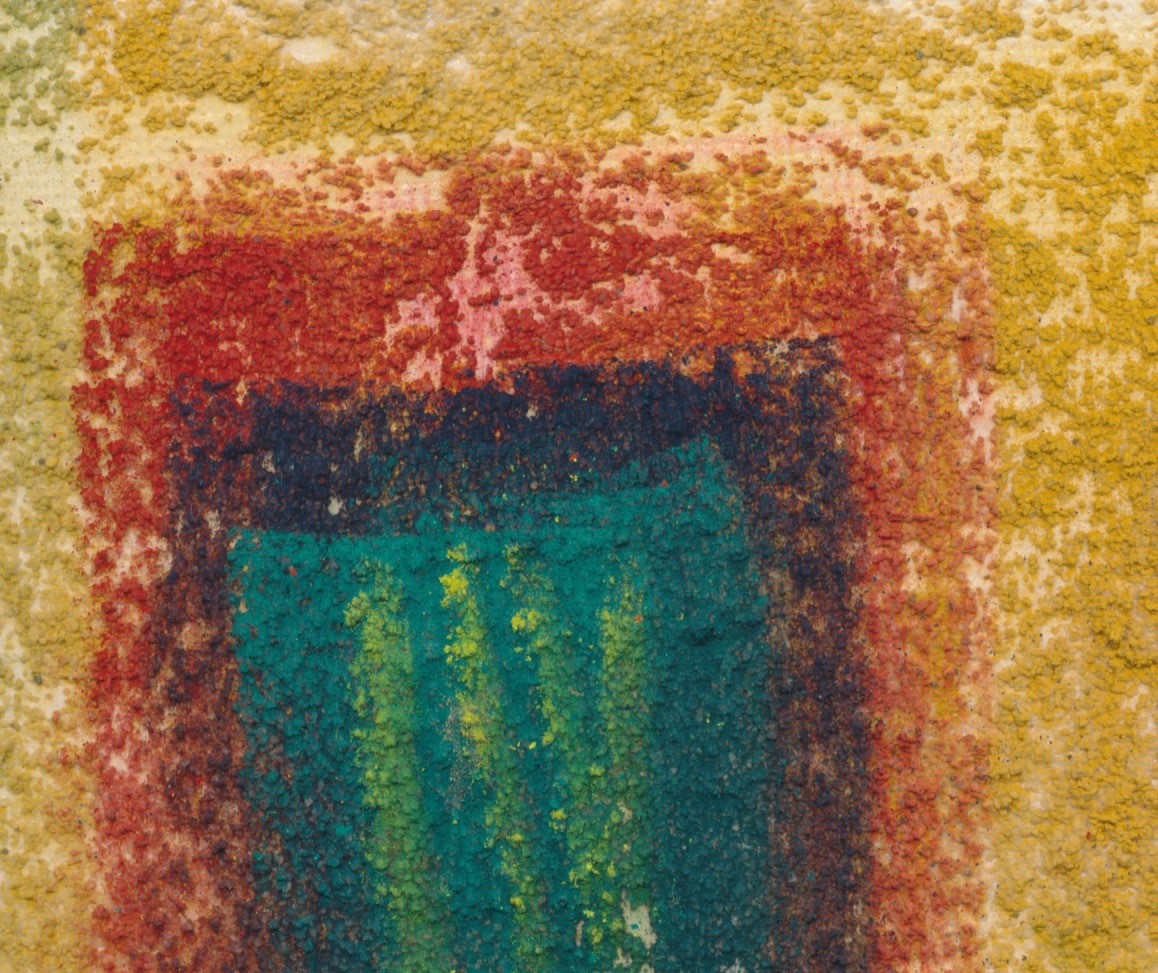
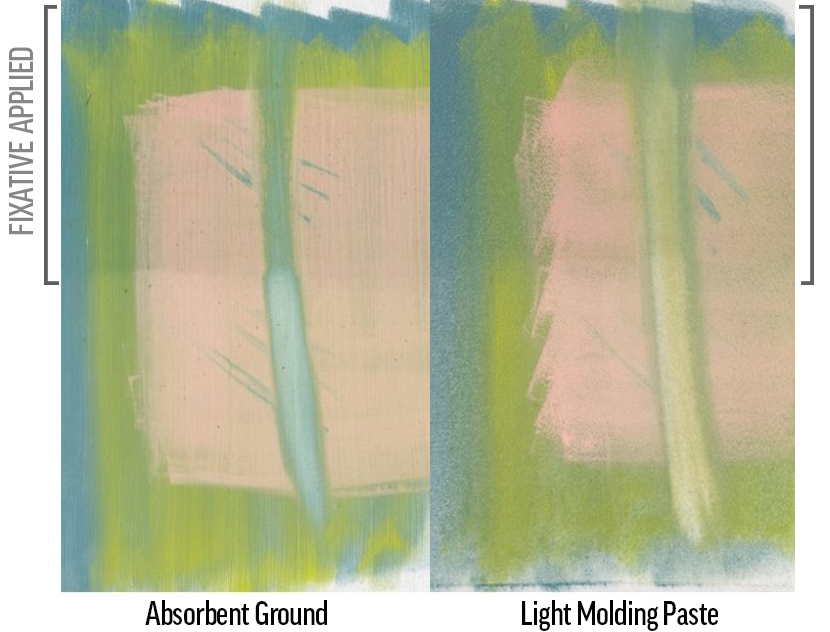
On Absorbent Ground and Light Molding Paste, layering can be difficult without a fixative, as these velvety smooth surfaces become loaded more quickly. Here, the first couple of layers goes down thick and dense but at some point one starts pushing underlying layers away. The use of a fixative resolves this issue. When working without a fixative, the Sofft Tool sponge picks up significantly more underlying pigment, so that the tool has to be cleaned frequently.
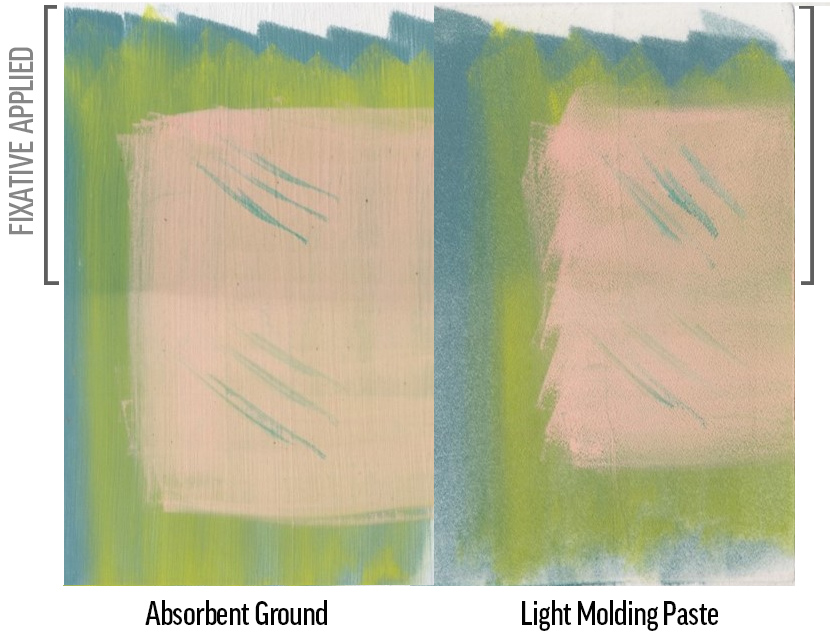
3. Details
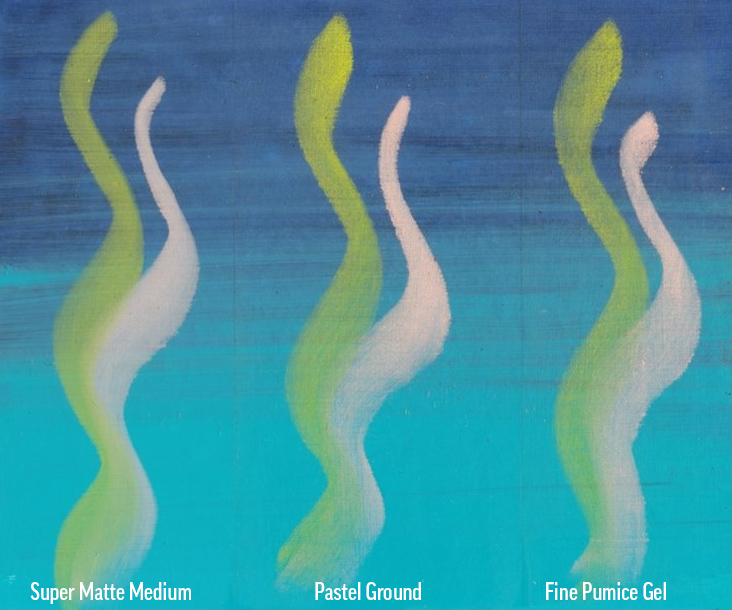
Generally, smooth acrylic surfaces also allow for fine detail, as long as the surface isn’t loaded with color yet. If a fixative is used, details applied over underlying PanPastel layers are more defined and more intense in color. Pastel Ground, Absorbent Ground, SoFlat Matte paints and Super Matte Medium are the surfaces which allow for the most detail and layering until a fixative becomes needed. Aggregate pastes with large particles, such as Coarse and Extra Coarse Pumice Gel, or Coarse Alumina, produce coarse surfaces that allow for fewer details.
4. Erasing
Most acrylic surfaces also allow for erasing. Especially on products that provide smooth surfaces, like the Gessos or Molding Paste, erasing works like a charm. Exceptions are the gels and pastes with large aggregate particles. Coarse and Extra Coarse Pumice Gels, for instance, simply sand away the eraser because their particles are so sharp-edged. This is also the case on Coarse Alumina where the color remains in the depths of the pumice texture. Similarly, Glass Bead Gel and Clear Granular Gel don’t allow for erasing.
The use of a fixative also influences how well PanPastel can be erased. Generally, layers that have been fixed don’t erase well (Fig. 5).
Best Performing Pastel Ground
Pastel Ground performed best, accepting PanPastel Artist Pastels very well, allowing for intense colors in multiple layers and in details, as well as allowing for PanPastel colors to be erased. Pastel Ground is grittier when diluted with 20-40% water, which also increases the ground’s translucency. The ground can be applied over an acrylic painting, or parts of a painting, to make it receptive for pastel.
PanPastel on Super Textured Acrylic Surfaces
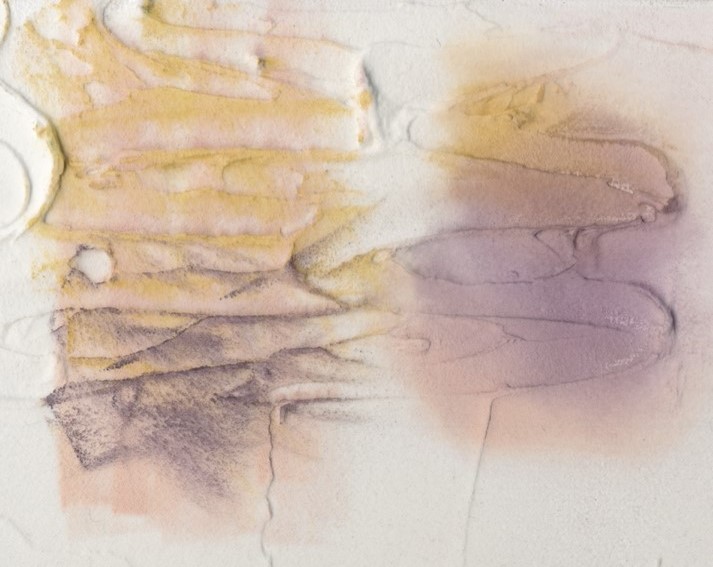
When the gels and pastes are applied in thick textures, the Sofft Tools might not reach the depth of the structure and one ends up with colored peaks. In that case, application by brush can be helpful (Fig. 7). Furthermore, applications over heavily textured areas, like Fiber Paste, Light Molding Paste, or the Pumice Gels, can damage the Sofft Tool sponges. One could keep older Sofft Tools for applications on textured grounds, or try using a dry brush. With brushes it’s easier to color crevices in textures, where the Sofft Tool sponges can’t reach. Just be aware that when using brushes, more pigment dust can be kicked up, due to the friction on the surface from the multitude of bristles. Some soft makeup brushes work better than regular paint brushes, but we haven’t tested sufficient brushes to make any recommendations.
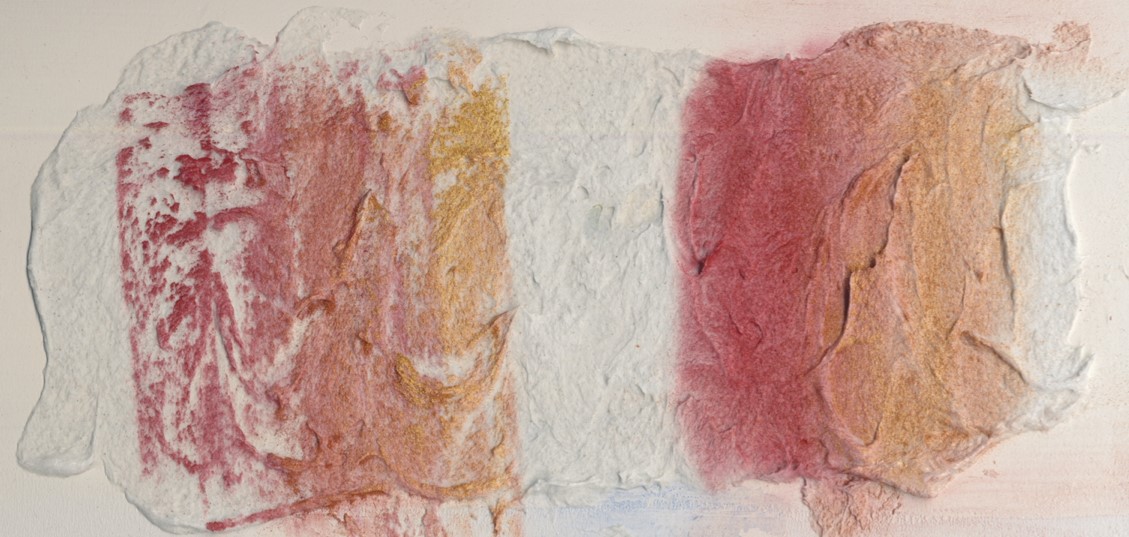
An Unlikely, But Beautiful Ground – Glass Bead and Clear Granular Gel
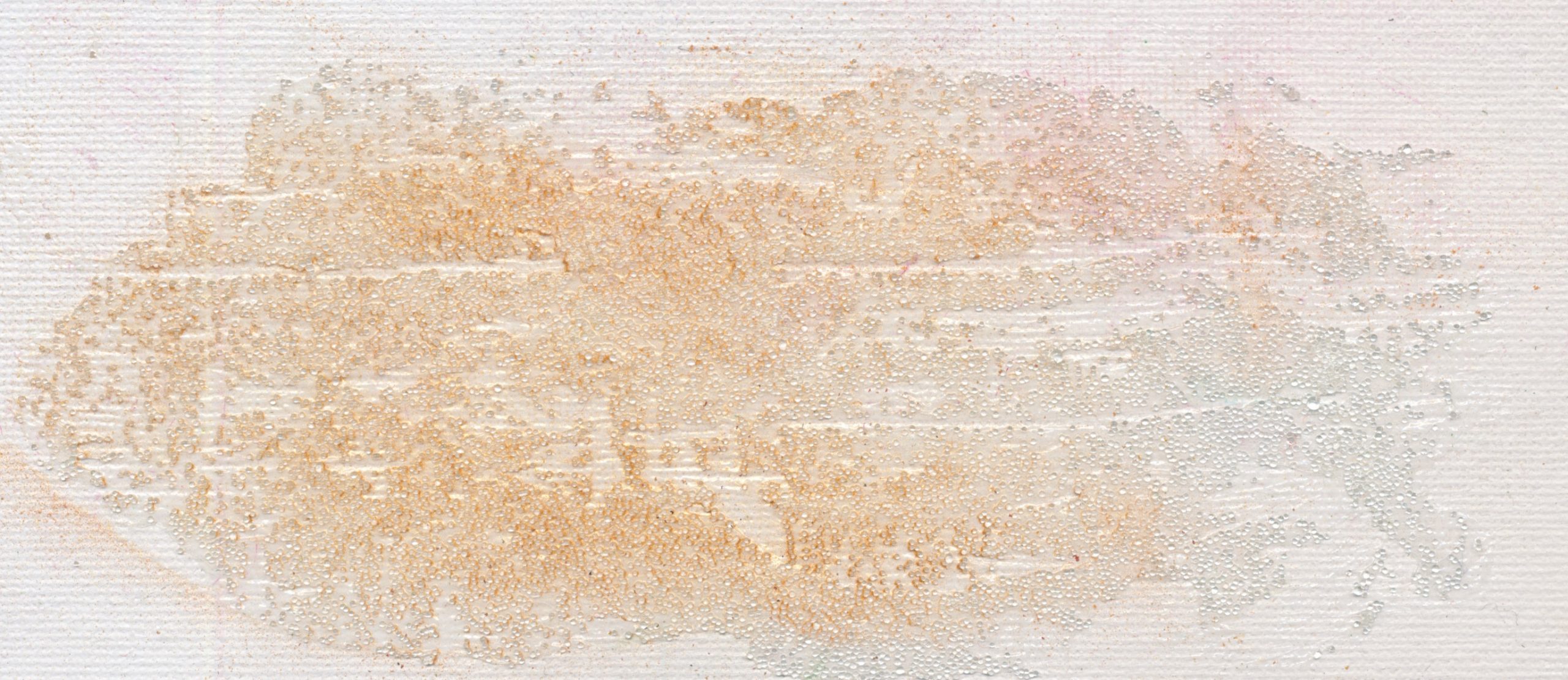
Brushing some iridescent PanPastel colors over Glass Bead Gel or Clear Granular Gel can lend subtle color without reducing the reflective qualities of these gels.
For more inspiration on using your pastel colors with acrylic grounds or over top of your acrylic painting, take a look at our video content, featuring acrylic grounds for pastel painting and drawing:
PanPastel Video Tutorials
Pastels Without Paper [Three Acrylic Surfaces]
Going Big with Pastels using Acrylic Ground for Pastels (featuring Steve Nyland)
Drawing on Acrylic Ground for Pastels : Golden A-Z Set
Acrylic Grounds for Painting and Drawing
Surface Preparation for Drawing (and Painting)
Fine Pumice Gel for Drawing and Painting
Micaceous Iron Oxide for Drawing or Painting
What, Why & How: GOLDEN Gessos and Ground
To discover the range of PanPastel colors take a look at our color palette here. An overview of our Sofft Tool sponges can be found here.
Attachments
Detailed review of all products tested [PDF]
All tested products rated in numbers [PDF]