
GOLDEN Retarder: Slow-Drying Additive for Acrylic Painting
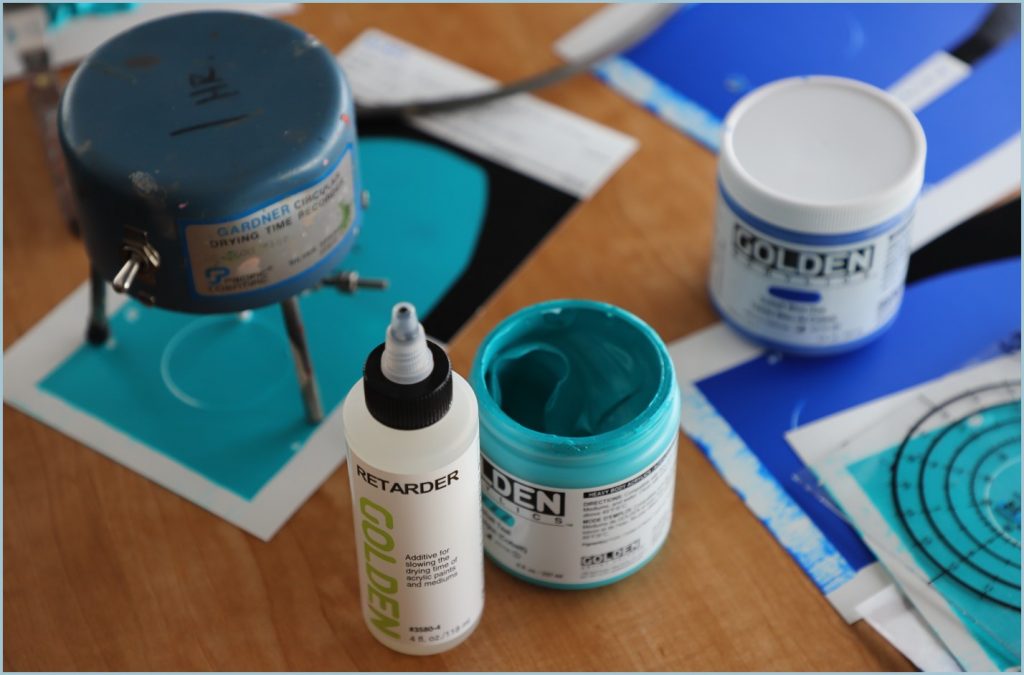
As the paint becomes solid, the poly ball on the end of the arm begins riding on top of the dry paint film.
At GOLDEN, we are often asked to more thoroughly explain the proper way to use Retarder. This simple paint additive slows down the drying rate of acrylic paints. How much Retarder is necessary and how much painting time an artist can gain is the focus of this article, as well as providing other factors contributing to the effectiveness of Retarder.
What is GOLDEN Retarder?
GOLDEN Retarder is an acrylic painting additive, containing mostly propylene glycol, used to “retard” or slow the evaporation rate of water. This additive simply increases the amount of time one is able to manipulate the paint before it starts drying. Retarders are sometimes called “humectants”, meaning they regulate moisture by either absorbing or expelling moisture. For the artist, the most important aspect is how long the paint remains mobile because as soon as enough water leaves the film, the paint can no longer be manipulated easily. This stage is referred to as “touch dry” or “skinned over”. For most painting techniques, this is the drying state that is more important than how long before the paint becomes solid.
How Do You Use Retarder?
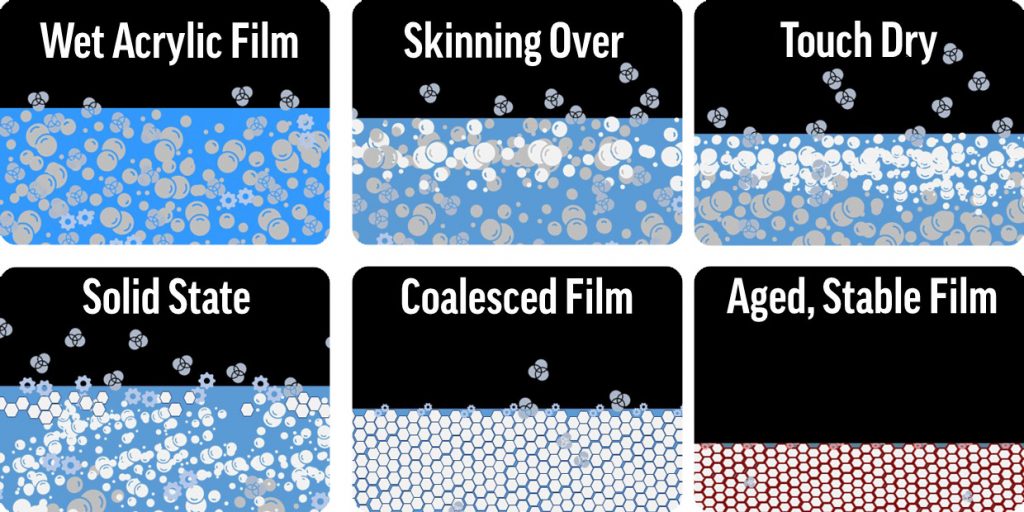
A simple recommended addition is approximately 7 parts paint to 1 part Retarder, which is about a 15% addition. This is a safe percentage, to begin with, as it will increase working time but not greatly alter opacity or what’s known as “strap-down time,” which is a coatings term referring to the amount of time before one can apply additional paint layers without concern that the underlying paint is sensitive to water, ammonia, etc.
As we deep-dive into all of the factors contributing to how effective Retarder can be for a specific application, the actual duration of painting time you should expect begins to reveal itself.
Our suggested maximum amount of Retarder for specifically very thinly applied paint layers is equal parts paint to Retarder (1:1). This really is A LOT of Retarder, and at this level, your paint will be very different because you will have greatly altered the percentages of the ingredients, such as pigment and binder levels. So, before you start using copious amounts of Retarder, learn what it’s doing to your paint and process.
How Retarder Increases Painting Time
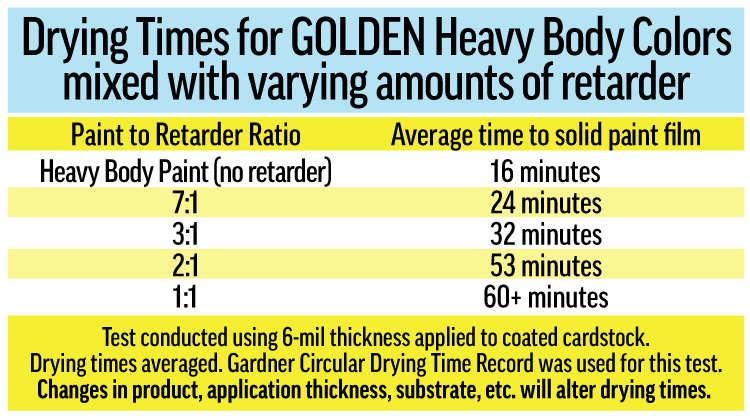
To understand how to best work with Retarder, you’ll need to understand its role in the film-formation process. Acrylics are roughly 50% water, with the acrylic polymers, pigments, and additives making up the rest of the product. From the moment one removes acrylic paints and mediums from their container, the water begins leaving the paint film.
As the water escapes into the air or is absorbed into the painting surface, the acrylic polymers and other solids are getting closer and closer to one another. The water and other additives in the formulation help the polymers to align properly and form a film. This process happens rapidly, and once the polymer chains have coupled together, the paint becomes touch-dry. (Investigating the Drying Process of Acrylics). Each new paint layer will form a chemical bond with the one underneath, eventually creating the complete paint film. Normally this allows an acrylic painter to apply new layers with great speed. But when you need more time to complete the paint application, adding Retarder can really make a difference in how the paint behaves.
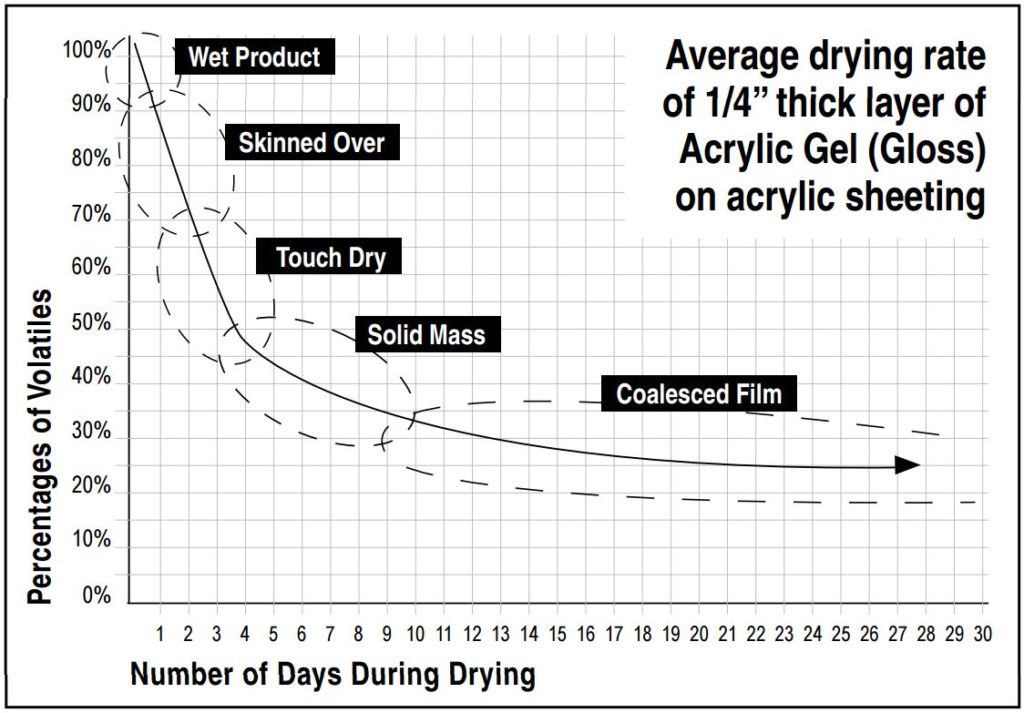
Acrylic paint without Retarder added becomes skinned over very quickly and increasingly difficult to manipulate.
The Importance of Water While Painting with Acrylics
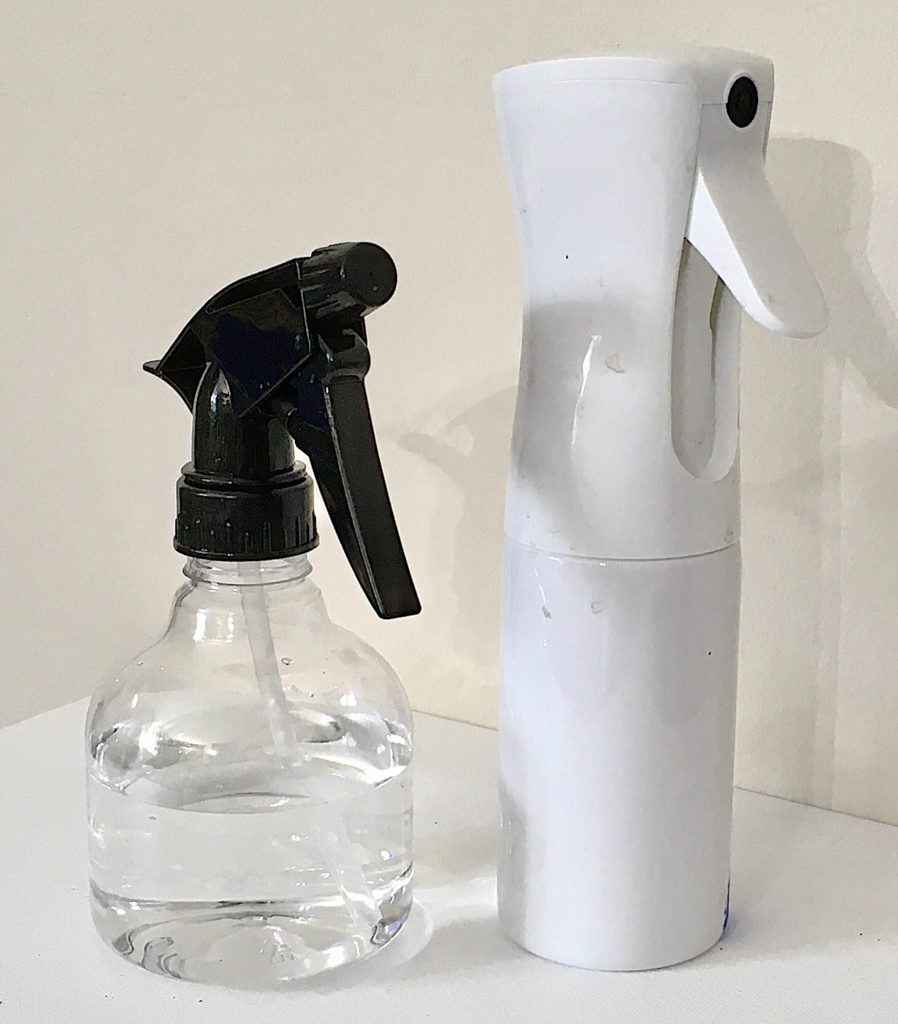
At some point, the Retarder that was mixed into the paint starts to make the paint sticky. This is the result of the loss of water. If you are an acrylic painter, you certainly have felt the paint get grabby and hard to apply smoothly. If you are close to finishing the paint application there are no worries, but if you are not ready to stop painting, you need to add more water and re-set the painting time clock. By the way, you shouldn’t be trying to rehydrate your paints after you begin putting paint to canvas. It can be done, but water can be aggressive and remove thin paint areas as you re-brush the passage. If the paint layer is thick and textural, misting the surface can work quite well to prevent the paint from skinning over. The time to add water is while the paint is on the palette.
If you are loading the brush up with paint, get a sense of the paint’s consistency. If it feels tacky, add some water until it feels smooth and slippery. For those of you concerned about adding water into your acrylic paints, gain comfort in the fact that you are not actually “adding” water as much as you are replacing lost water, so there’s not a great issue of making the acrylic paint sensitive or weak. If you are at all concerned about this subject, read this article.
Factors that influence the drying rate of acrylic paints: Temperature, Humidity, Air Flow, and Surface Absorbency
Even if you didn’t use Retarder, there are still variables that can make a difference when it comes to open time and slowing the drying rate of the paints.
Temperature. Cool temperatures can slow evaporation rates and hot temps can accelerate drying time. So, when feasible, try to maintain a comfortable room temperature. Extremes in either direction can cause film formation defects (when the polymer chains do not properly attach together).
Humidity. As anyone who’s painted in humid weather can testify, humidity is actually much more influential than temperature when it comes to working and drying times. Air saturated with water vapor doesn’t easily allow more water to join in. If it’s very dry in the studio, increase humidity with a humidifier, or another device that pumps moisture into the air. Try to achieve a relative humidity above 70 to make a noticeable difference.
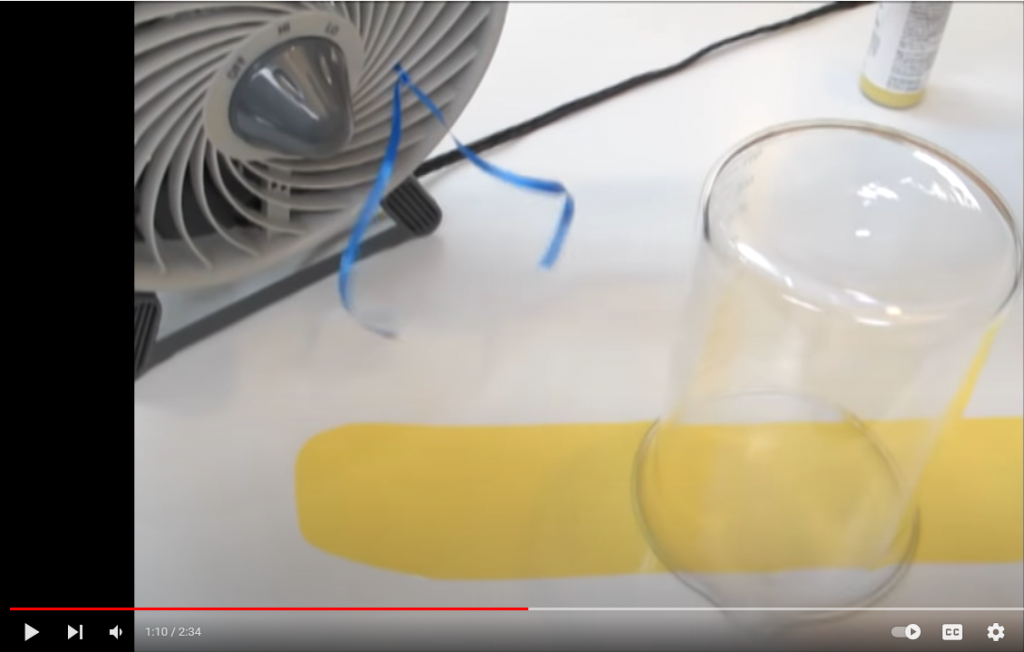
Air Flow. Would you be willing to suffer for your work if it means a more relaxed pace while painting? You may need to turn the fans off while you paint as air flow is not something that many artists take into consideration, but it can be a critical drying-time factor. Moving air can pull moisture out of a paint film rapidly.
Surface Absorbency. Finally, the painting surface’s absorbency is a critical factor when it comes to the use of Retarder and maximizing the working time. An absorbent surface, such as #300 watercolor paper, will readily wick up water and Retarder, leaving the artist with no gained advantage from the Retarder. The same paper, sealed with a coat or two of Gloss Medium, yields a surface that doesn’t suck up moisture, allowing for smoother, relaxed blending. Note: Gesso is what we would describe as semi-absorbent due to the pigment and other solids, but other products including a range of acrylic paints will serve the purpose nicely.
Watch the below video to see each of these factors influence the drying rate of acrylic paints:
How to “turn off” Retarder
When you are close to finishing up a section, stop “feeding” water to the paint. This will force the water still inside the paint to leave, and afterward, the Retarder follows suit. The time it takes for both water and Retarder to allow the paint to sufficiently dry is based on the other factors surrounding your painting.
As many of the conditions that serve to slow down the drying process should be reversed (if practical). Now you want some warm, moving air less humidity.
If your work isn’t on an easel, create an air space for the back of the painting, especially for stretched canvas. For example, if the work is lying flat on a table, raise it up so air can flow underneath.
If you feel the need for speed and want to use some heat (such as a hair-dryer) to accelerate drying, it’s better to heat the substrate side, not from the front. That’s right — don’t heat the front of the painting. This just forces the water and Retarder in towards the primer and substrate interface, especially with thicker paint films. Heat applied from the back pushes the additives out of the paint layer with much less time and effort. Note: Be very careful of the temperature and duration used to force-dry paints as it can cause acrylic binders to amber, similar in appearance to Support Induced Discoloration. It’s typically best for the paint to NOT force-dry and let it get there under normal circumstances.
When Can I Apply More Paint?
If you are painting thinly, as soon as the paint surface is touch dry you can move into the next paint application. If you are painting more generously, the paint surface is going to stay tackier for a longer period. This doesn’t mean you can’t apply more paint, but if you are going to be doing something a bit more physical, such as taping or sanding, it’s best to give those thicker passages some additional time, perhaps hours or even days. The safe timeframe is often 3 days.
Can I add MORE than 1:1?
We really do not suggest going beyond a 1:1 ratio, and even that amount is excessive for most painting techniques. Palette management is the better direction, and if you feel you have maximized the potential for adding Retarder and still need more working time, it’s time to move on to the GOLDEN OPEN Acrylics products. OPEN is more than just adding Retarder; there are other slow-drying additives in their formula that holds onto Retarder, providing even more working time. Here’s a great place to start learning about these slow-drying paints and how they differ from just using Retarder.
Please comment below, and let us know if you have any questions about increasing the working time of your acrylics.