
Painting On Leather With Acrylics
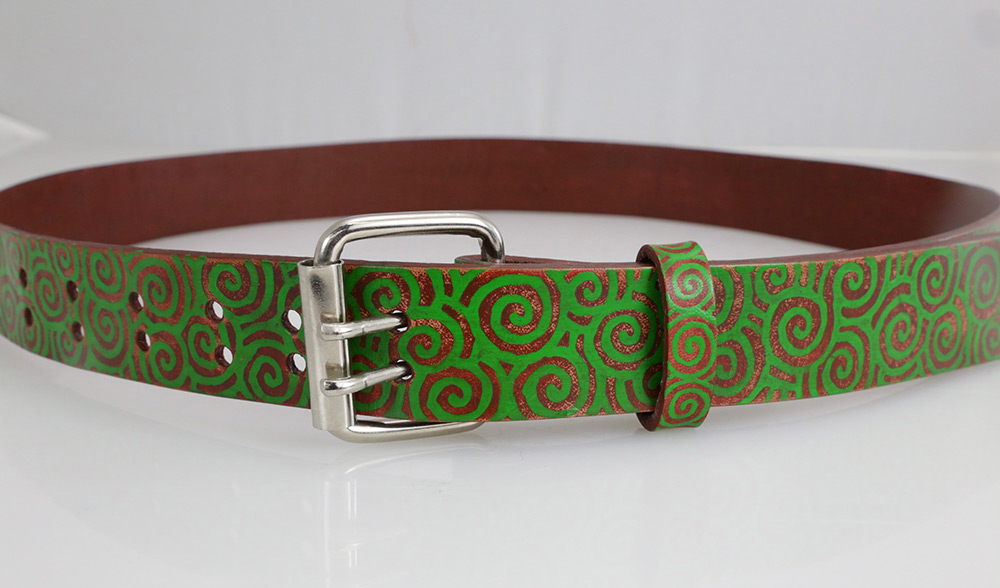
Leather companies have been using acrylics to paint leather for a very long time, so it should be no surprise that Golden Artist Colors Acrylics can be used to paint leather as well. Which paint line to use and whether an additive is necessary is dependent upon the type of leather and how it was previously treated. To determine which process will work best for your particular application, it is important to test first on a sacrificial piece or an inconspicuous area of the leather surface.
Surface Preparation
There are a few tips that can make the application more successful. Before painting, wipe the leather with Isopropyl alcohol to degrease, clean and remove any coatings, waxes, or oils that may be on the leather. If alcohol does not remove the coating, it may be necessary to lightly sand the surface with some fine sandpaper.
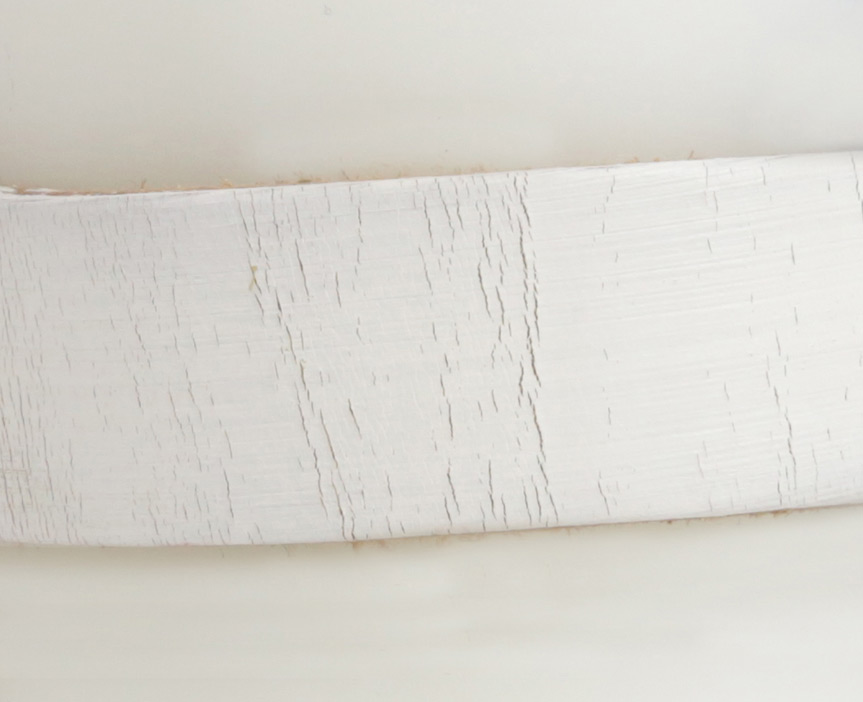
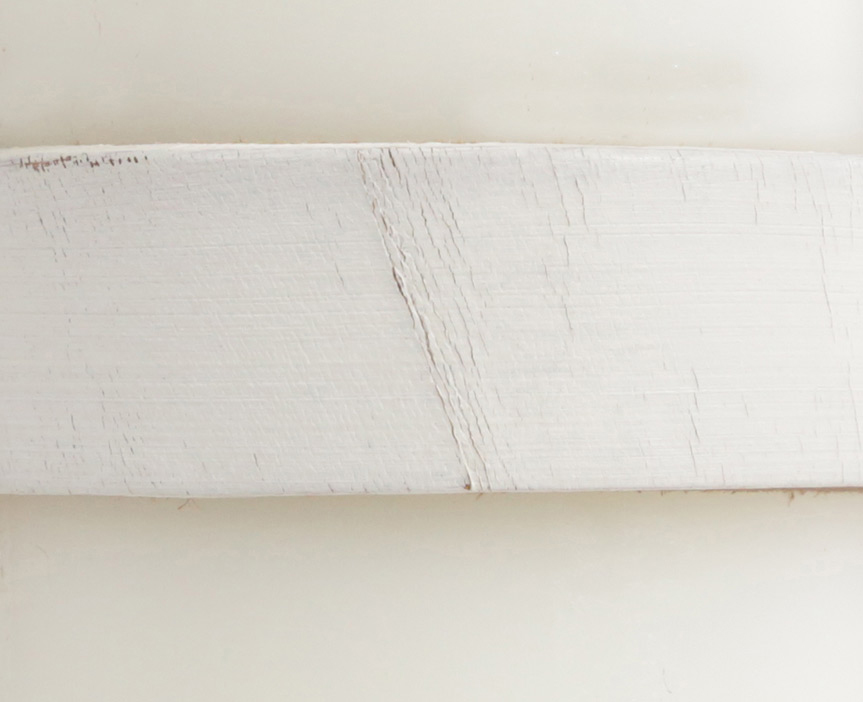
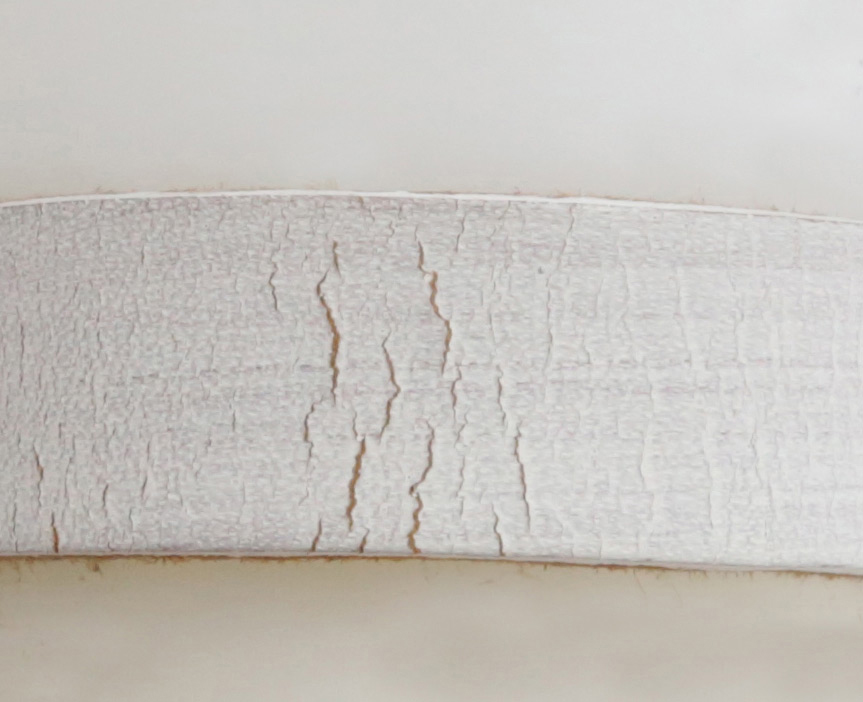
The key to good adhesion of paint to leather objects is applying the paint thinly enough to soak into the leather. If thick paint is used or built up too thickly, there may be an increased chance the paint may crack when flexed. Acrylics are thermoplastics and respond to environmental temperatures. In a cold environment, the paint can become more brittle, increasing the chance of cracking, and in a warm environment, the paint can become softer and tackier. If the paint is thick on the surface, these changes due to temperature could be more dramatic. Our Fluid Acrylic and High Flow Acrylic lines work best in this type of application. These paint lines are thin enough to be applied directly to leather or they could be mixed with GOLDEN GAC 900 Fabric Painting Medium and when properly heat set, the addition of this medium could add flexibility and possibly a softer feel, dependent upon what type of leather, suede, nubuck or deerskin is used.
Painting Options
In our testing, we have found some mixed results, so we have varying recommendations dependent upon what type of leather is being painted and how the leather was treated beforehand. On completely undyed, unconditioned, untreated leather, the Fluid Acrylics mixed in a one to one (1:1) ratio with GAC 900, applied, dried and then heat set, was the most flexible paint film of all tested. On treated and dyed latigo belt leather and garment leather, the High Flow acrylics worked well, soaking into the leather while retaining the feel and flexibility. Painting suede, nubuck and deerskin can be a bit more tricky. Every combination of products we tried changed the feel of these soft leathers. It is crucial to test on similar materials to figure out what will work best and what will provide an acceptable color and feel. We would recommend trying the High Flow Acrylics on their own, or the Fluid Acrylics thinned with a little water, or the Fluid Acrylics with the addition of GAC 900 in a recommended ratio of one part paint to one part GAC 900. When using GAC 900 it is necessary to heat set after it has dried to the touch. Heat setting can be done with a hair dryer on the hottest setting for 7 – 10 minutes.
Painting Shoes
There are many videos on the internet showing how to paint leather shoes and sneakers with acrylic paints. While online tutorials can be informative, what works for one may not work for all. Therefore, it is very important to test for your particular application. There are so many types of leathers out there with a number of different types of treatments, dyes and finishes and no blanket application technique will work for every shoe. Some mixtures are easier to control than others, dependent upon the application technique or painting style. Every artist’s hand controls paint differently, so preference may be personal. In our testing, we found the High Flow paints with nothing added worked the best on the pair of sneakers we painted. The Fluid Acrylic/GAC 900 combination was thinner and remained tacky until heat set and the Fluid Acrylics on their own applied a bit thicker and when thinned with water was a little easier to apply. As it turns out, all of the applications were very successful and all were very flexible. Sock liners may also be painted with a one to one mixture of Fluid Acrylics and GAC 900. When using GAC 900 mixed with the paint, it may feel tacky until it is properly heat set. Please note that heat-setting GAC 900 releases trace amounts of formaldehyde, which may be of concern to those with chemical sensitivities. We recommend providing fresh-air ventilation when using heat-set products. More information about the use of GAC 900 can be found on our Painting on Fabric with GOLDEN Acrylics application sheet.
For durability, protection, and moisture resistance, we recommend applying a topcoat after the paint has cured. There are many options available including acrylics, oils, waxes, silicones and polyurethanes. They are available as brush-on fluids or in aerosol spray cans. We recommend researching what is available, especially from leather specialists like Tandy, Angelus and Fiebing. When selecting a topcoat, it is key to make sure it is compatible with acrylic paints.
So there is no real quick and easy “one size fits all” answer to how to paint leather, but there are many options available and testing is an important first step when deciding which option is right for you. If you have questions or need assistance with your project, feel free to reach out to us at help@goldenpaints.com.